Envisioning the Future
Define and build tomorrow's architectural spaces with the help of Design Ficton and Science Fiction methodologies combined with Extended Reality. Explore our research, learn about new products, and come along as we discuss architectural design and the way people will live in the future.
A DESIGN FICTION FRAMEWORK
What is FictionXR?
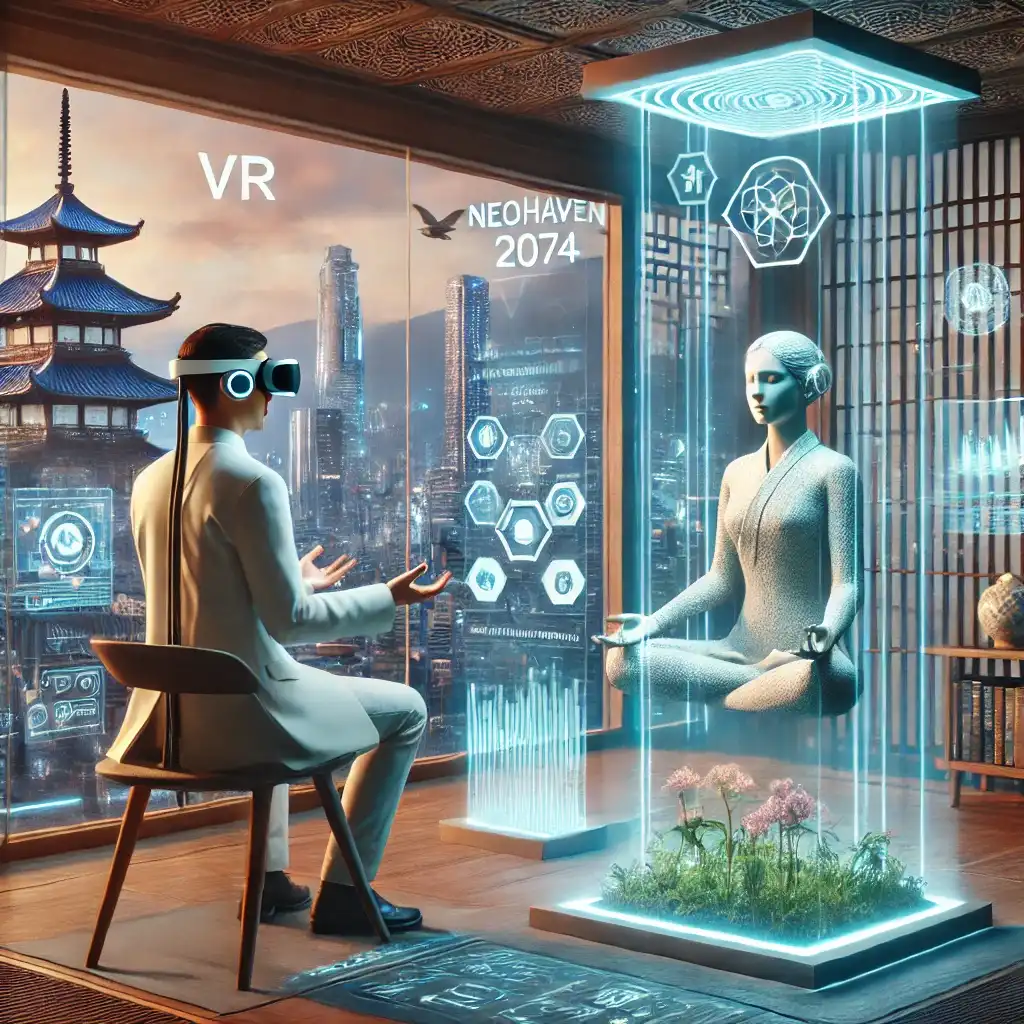
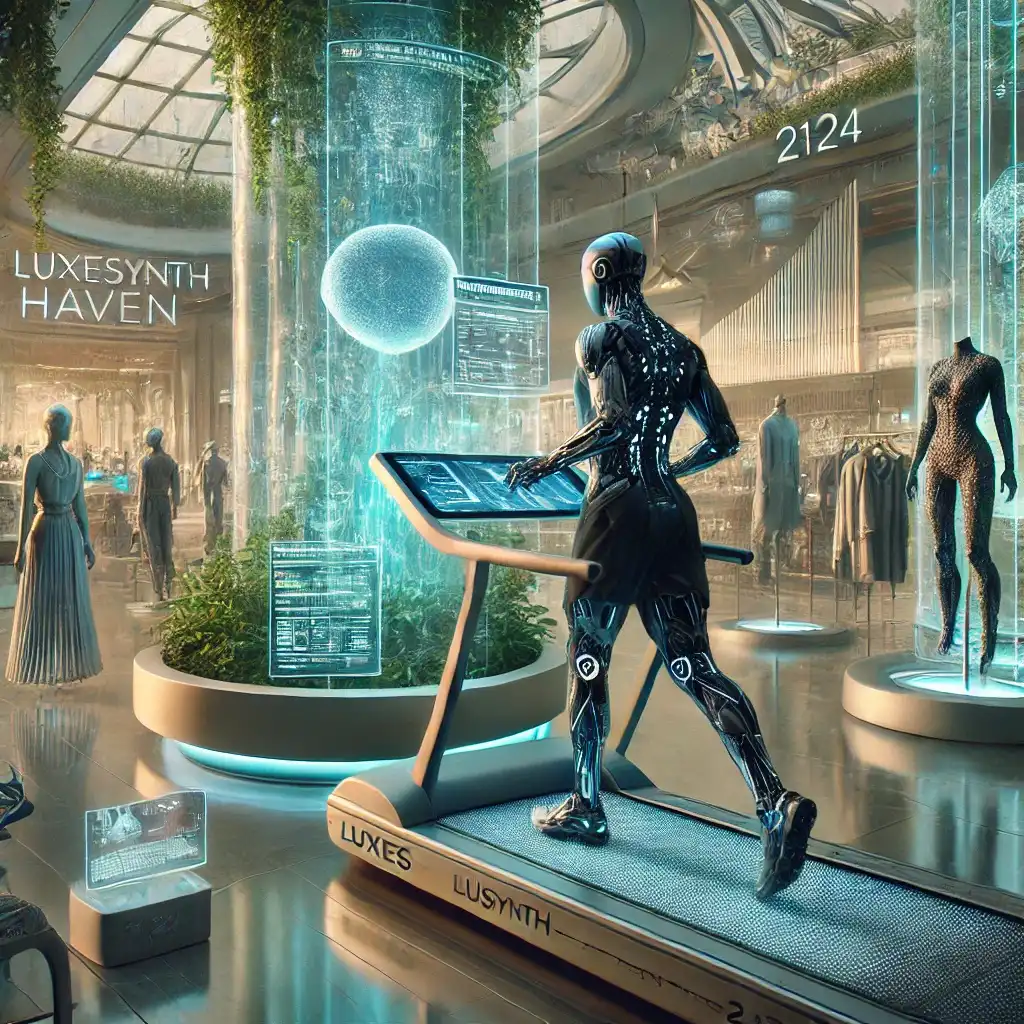
The FictionXR framework is integrated into a web-based platform called AllegoryXR. The framework provides tools for designers to envision and create future scenarios within architectural spaces. It combines storytelling with technology, allowing users to immerse themselves in the environments they create. The platform supports AR and VR experiences, making your designs more interactive and engaging.
Research Updates
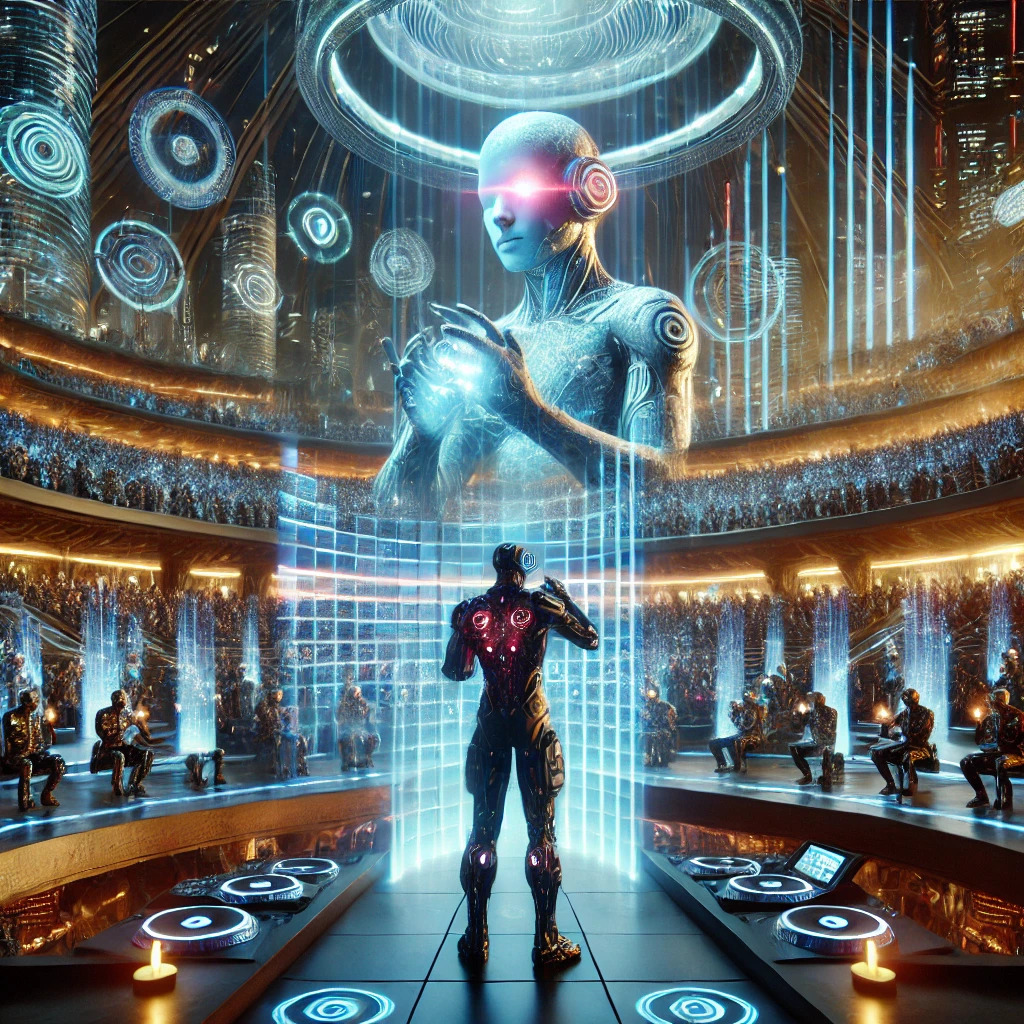
FictionXR Private Beta Release
Expert tests started with the release of the FictionXR Private Beta in July 2024. We invite all experts working in Design Fiction, Science Fiction Prototyping and Extended Reality areas to join our tests.
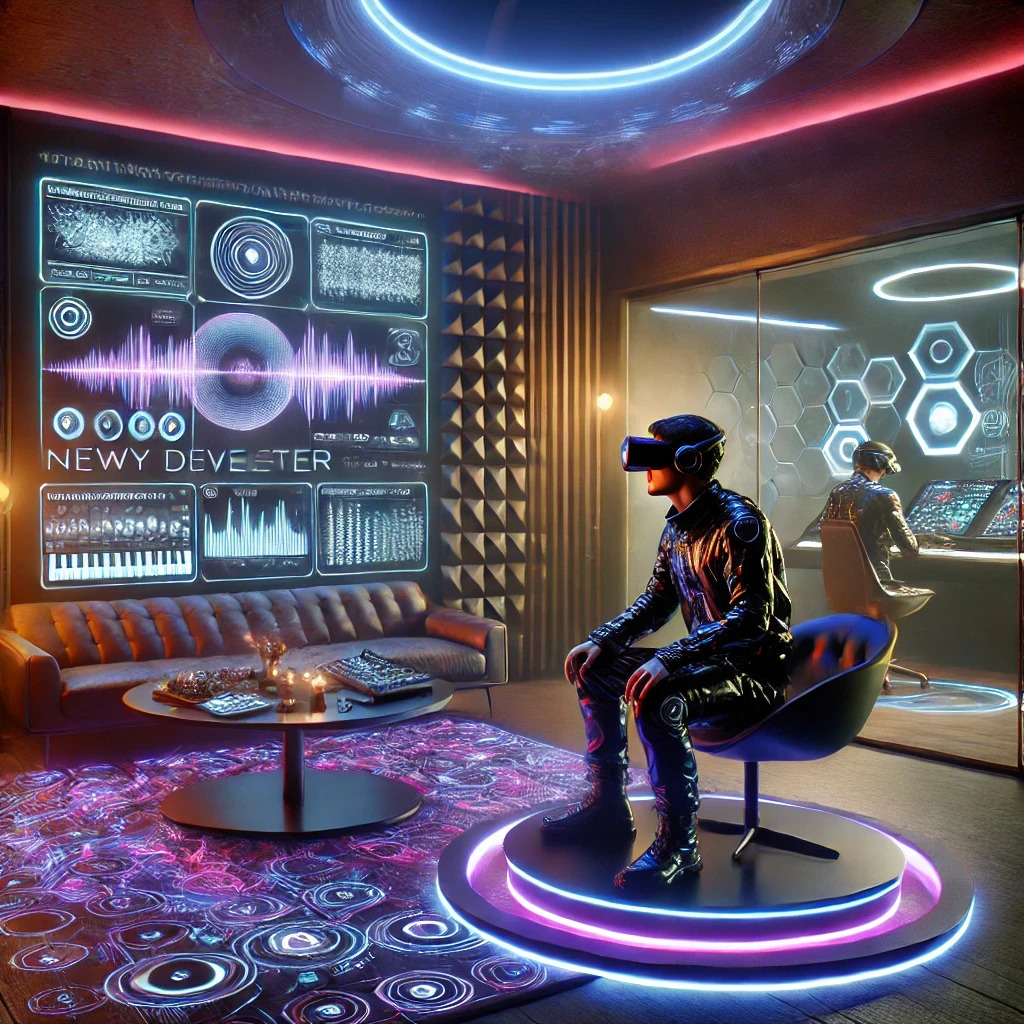
Become A Beta Tester
If you are interested in trying new platforms and interfaces focused on 3D Design, Design Ficion, Science Fiction, and XR Technologies, join to the list to become our beta tester.
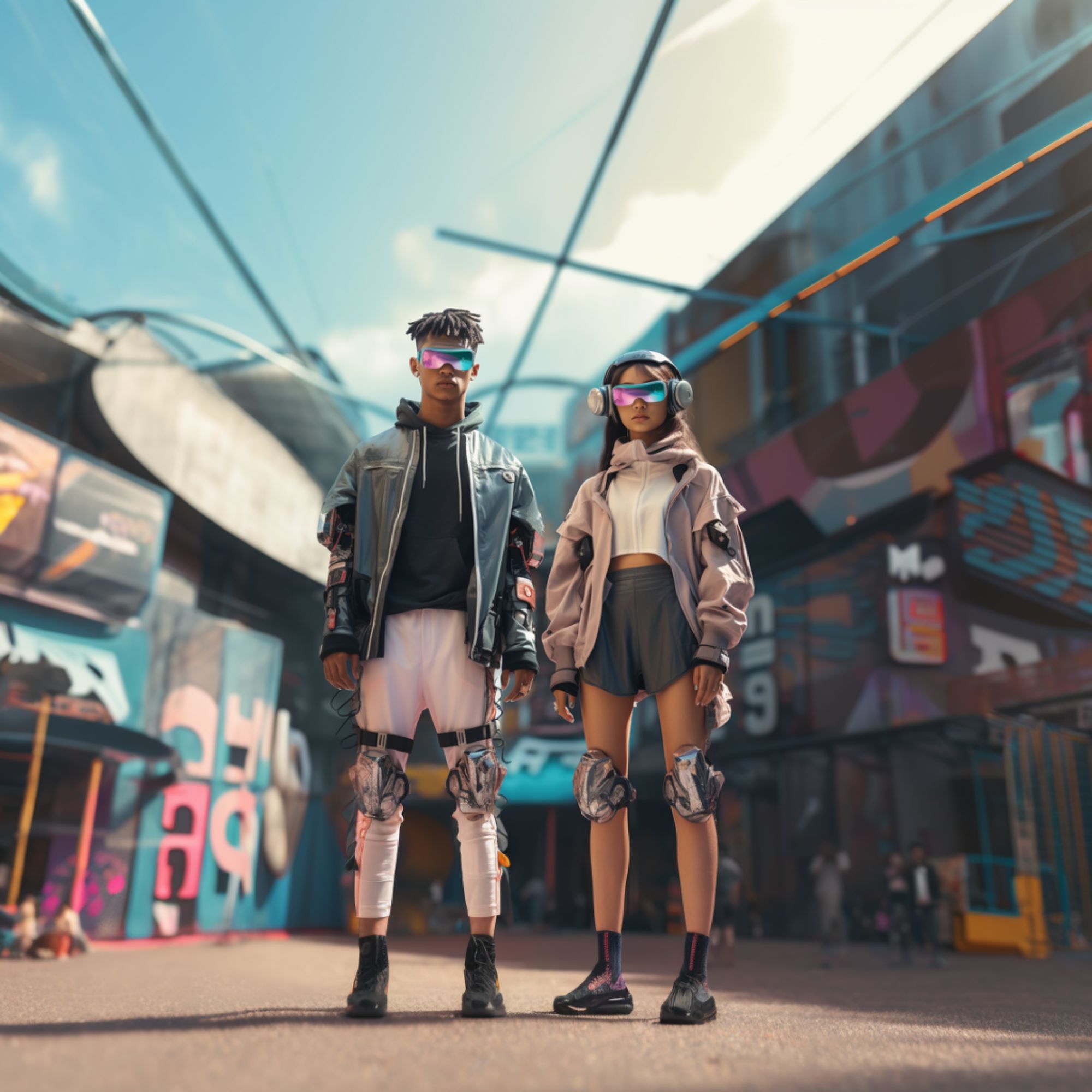
FictionXR Framework: Merging Design and Science Fiction for XR-Integrated Future Architectural Spaces in a Changing World
Check out our research paper which is presented at the 27th SIGraDi Conference online in Uruguay.
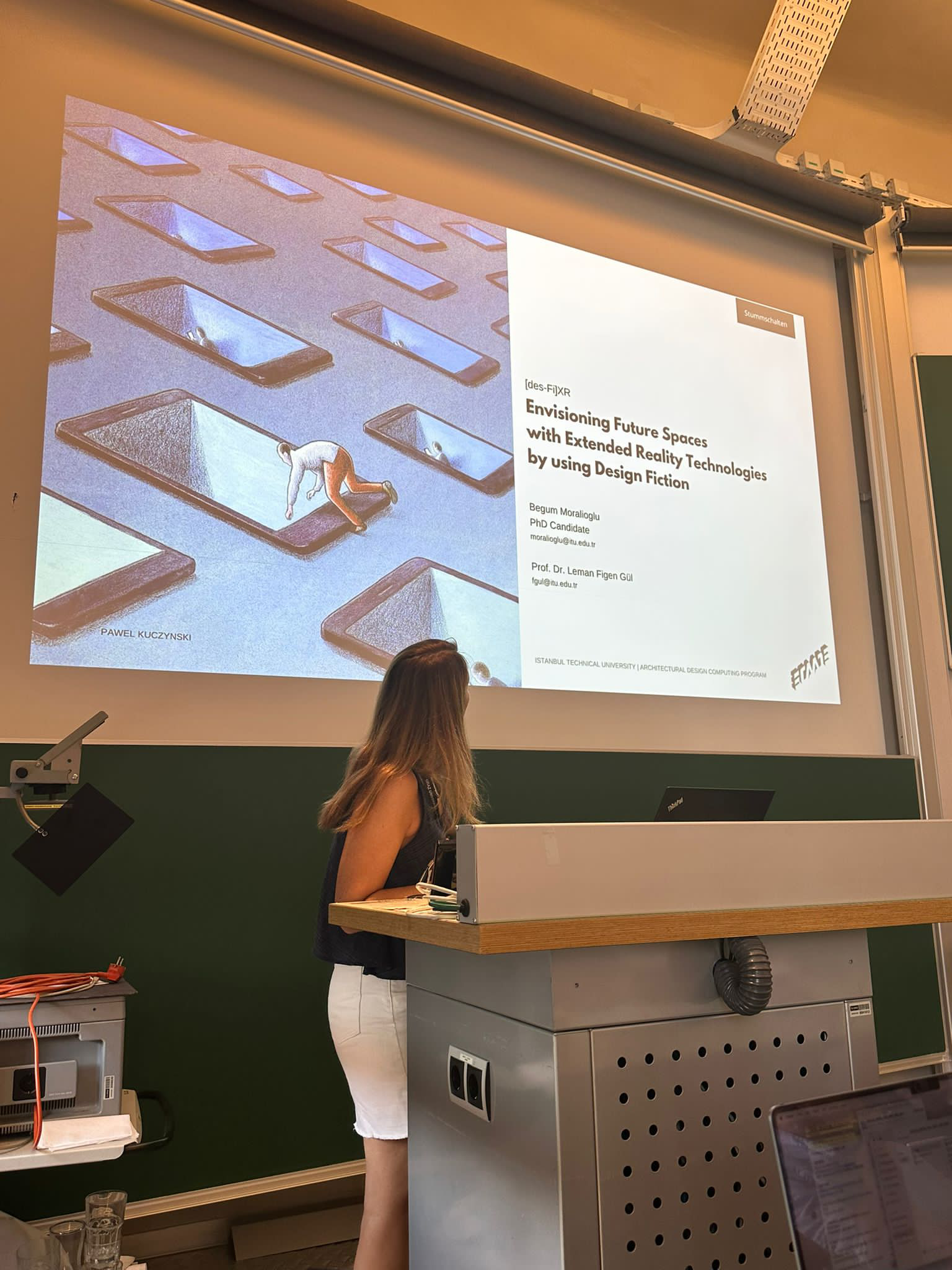
Envisioning Future Spaces with XR Technologies
Check out our research paper which is presented at the 41st eCAADe Conference in Graz.
Learn about the Color Codes
You may recognize some color codes throughout this research website. We marked the data gathered with the following color codes to categorize them easily according to the keywords we are focused on.
🔘 Arch: Architecture
🟠 Des-fi: Design Fiction
🟣 SC: Spatial Computing
🔵 FS: Future Studies
🟢 GT: Grounded Theory
🔴 HCI: Human-Computer Interface
🟤 PP: Postphenomenology(Phenomenology)
🟡 Sci-fi: Science Fiction
🌀 DTech: Digital Technologies
News
Discover the latest news from around the globe, all related to our research topics.
Use the tags to search for specific topics and dive deeper into the subjects that matter most to you.
SPATIAL COMPUTING 🟣 SC
Meta is Not the Metaverse: An Open Letter to the Tech Press
The word metaverse did not originate in a corporate rebrand, a product roadmap, or a quarterly earnings call. It entered our cultural vocabulary in 1992, in Neal Stephenson’s Snow Crash, as a speculative description of the future of virtual worlds.
Learn MoreSPATIAL COMPUTING 🟣 SC 🌀 DTech 🔴 HCI
Google Sees Smart Glasses as the 'Next Frontier' for AI
Google's approach with Android XR devices today is to augment existing phones, not replace them. "I know some people think about glasses one day replacing smartphones," says Izadi. "I think it will be this growing ecosystem approach. But we do feel that XR is going to be the next frontier for Gemini, and for AI."
Learn MorePOSTPHENOMENOLOGY 🟤 PP 🌀 DTech
Should We Look on New Technologies with Awe and Dread?
If you’ve encountered any science fiction, you’ve experienced the technological sublime—the feeling of awe, braided with dread, that can emerge in response to the engulfing possibilities of technology’s progress.
Learn MorePOSTPHENOMENOLOGY 🟤 PP 🌀 DTech 🔵 FS
Our tools shape our selves
It has become almost impossible to separate the effects of digital technologies from our everyday experiences. Reality is parsed through glowing screens, unending data feeds, biometric feedback loops, digital protheses and expanding networks that link our virtual selves to satellite arrays in geostationary orbit. Wristwatches interpret our physical condition by counting steps and heartbeats.
Learn MoreARCHITECTURE 🔘 Arch 🟤 PP
Why Architecture Matters
“We shape our buildings; thereafter they shape us. Winston Churchill originally delivered this line in reference to the rebuilding of the House of Commons, which had been destroyed in a Nazi air raid in 1941. With it, he hoped to persuade Parliament to rebuild the bombed-out building exactly as it was — or in his words, to restore “its old form, convenience and dignity.”
Learn MoreSCIENCE FICTION 🟡 Sci-fi 🔘 Arch 🔵 FS
Metropolis (1927) and the World of 2026: How Fritz Lang Imagined the Future of Cities
Now that 2026 is no longer speculative but real, Metropolis invites a fresh look. It captured structural tensions that continue to shape modern urban life: who benefits from progress, who pays for it, and how technology changes human relationships when power is concentrated at the top.
Learn More